

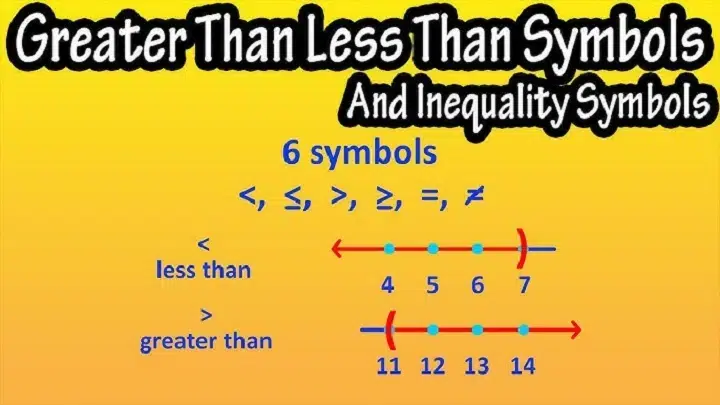
Think about comparing things. Bigger or smaller. Taller or shorter. More or less. We compare things every day. We compare prices. Heights. Scores. Money. Time. And to compare clearly, we use symbols. One of those symbols is not greater than one symbol.
You might have seen it in school. In math books. On worksheets. Even in programming. It looks simple. But it says something very important.
Not greater than means one value is not bigger than another. It is small. It is equal. Or it is just not bigger in any way.
This symbol helps us understand limits. Helps us solve problems. Helps us stay safe in science and tech too. Let’s learn what it means, how it looks, how to use it, and why it matters.
What Is the Not Greater Than Symbol
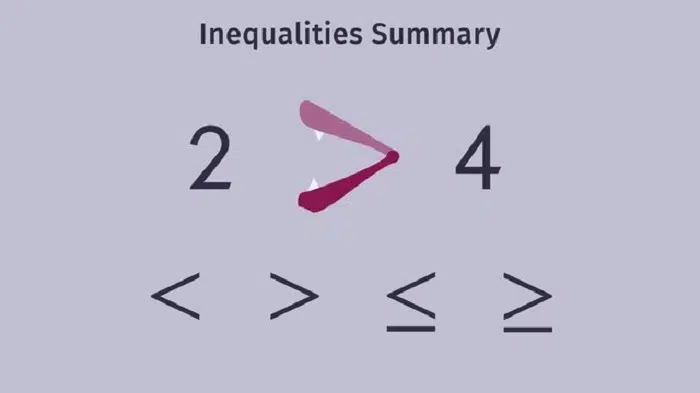
The not greater than symbol is this:
≤
Or sometimes written like this:
<=
Both mean the same thing. Not greater than means the left side is either smaller or equal to the right side.
Examples:
- 5 ≤ 7
• 3 ≤ 3
• 10 ≤ 20
These all say one thing. The left number is not greater than the right number.
Why Do We Use It
We use this symbol because it makes comparison easy. No long words. No confusion. One small sign says it all.
We use it to show:
- a limit
• a condition
• a comparison
• a rule
• a boundary
In math, it helps solve problems faster. In science, it keeps measurements clear. In computers, it helps control how programs run.
Simple symbol. Big help.
How It Looks
The symbol ≤ combines two parts:
- a less than sign <
• a small line under it to show equality
This line means equal. Together they mean less than or equal to. Or simply not greater than.
The version <= is used in computers. Because typing ≤ is hard on many keyboards. But the meaning stays the same.
When Numbers Are Small
The not greater than symbol is perfect for showing numbers that must stay low.
Examples:
- temperature ≤ 40
• speed ≤ 50
• weight ≤ 100
• cost ≤ 500
It says the value must stay at or below a point.
When Numbers Are Equal
Equal numbers also use this symbol.
Example:
- 9 ≤ 9
This means 9 is not greater than 9. They are equal.
The line under the sign is what makes this possible.
When Numbers Must Not Cross a Limit
The symbol is great for safety rules.
Like:
- pressure ≤ safe level
• volume ≤ tank limit
• power ≤ device rating
It tells us what is safe. What is allowed, what is accepted.
Not Greater Than in School Math
Every student sees this symbol.
You see it in:
- algebra
• number lines
• inequalities
• word problems
• charts
• graphs
Example:
Solve: x ≤ 12
This means x can be 12 or anything smaller.
It gives a whole range of answers. Not just one number.
Not Greater Than in Real Life
We use this idea constantly. Even if we do not notice.
Examples:
- age must be ≤ 12 for a kids ticket
• luggage weight ≤ 23 kg
• tax ≤ certain amount
• marks needed ≤ passing limit
Wherever something must not go over a number, the symbol is used.
Not Greater Than in Technology
Computers love comparisons. They run on them. Every program uses these symbols.
You will see:
<=
This is the same symbol for coding.
Used in:
- loops
• conditions
• test checks
• user limits
• game rules
• app functions
Example in code:
if (speed <= 80)
The car is safe.
The computer checks this rule again and again. Simple symbol. Clear logic.
Not Greater Than in Science
Scientists also use this symbol.
Examples:
- pH ≤ 7 for acids
• temperature ≤ 0 for freezing
• radiation ≤ safe limit
• dose ≤ maximum allowed
These rules help in experiments. They prevent danger. They set safe boundaries.
Not Greater Than in Charts and Graphs
Charts show ranges. This symbol shows one side of the range.
For example:
Age ≤ 18 means all ages up to 18. Graphs use this to show shaded areas below a boundary line.
Not Greater Than in Finance
Money matters use this symbol a lot.
Examples:
- price ≤ budget
• tax ≤ income level
• claim amount ≤ policy limit
• interest ≤ cap
This keeps spending in control. Helps plan better. Keeps accounts clear.
Not Greater Than in Exams and Forms
You see this in rules.
Examples:
- word limit ≤ 200
• answers ≤ 3 pages
• age limit ≤ 30 years
• marks ≤ 100
It helps set clear instructions.
Not Greater Than with Algebra Letters
Not just numbers. It works with letters too.
Examples:
- a ≤ b
• k ≤ m + 7
• q ≤ 2r
This helps solve big math problems easily.
How to Read It
People read it as:
- less than or equal to
• not greater than
• at most
• up to
All mean the same thing. The left side must stay below or match the right side.
How Not Greater Than Helps With Choices
Imagine choosing items.
You want:
- price ≤ 200
• calories ≤ 400
• size ≤ medium
• weight ≤ 2 kg
This symbol helps filter options. There is no guesswork.
Not Greater Than in Daily Decisions
You use this idea every day. Without knowing.
- You walk if the distance ≤ 1 km
• You buy if the price ≤ your money
• You study if the time ≤ your schedule
• You eat if sugar ≤ your health limit
It guides everyday choices.
Difference Between Not Greater Than and Less Than
Be careful here.
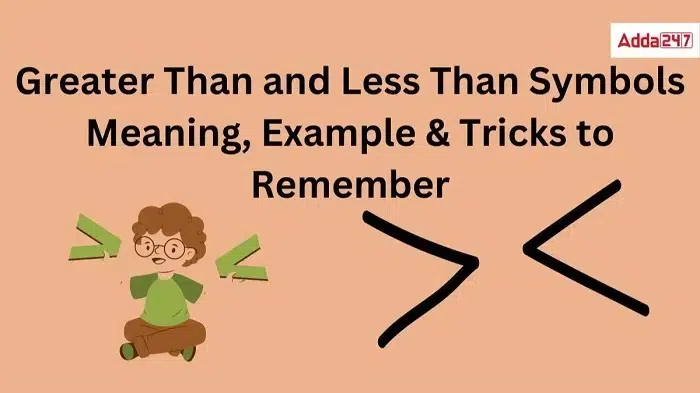
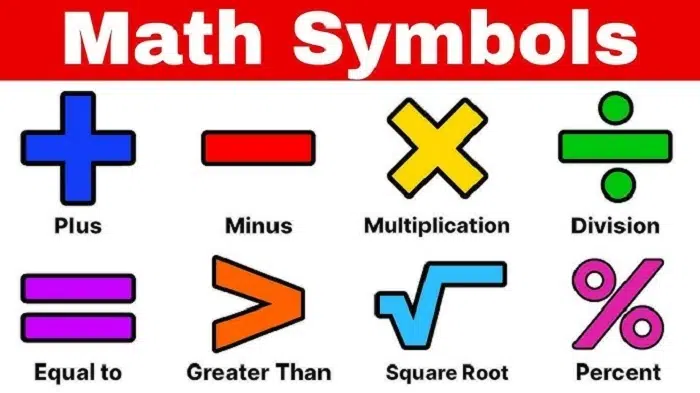
- Less than < means only smaller.
• Not greater than ≤ means smaller or equal.
Example:
4 < 4 is false
4 ≤ 4 is true
That tiny line under the symbol changes everything.
Mistakes People Make
Common errors:
- mixing up < and ≤
• thinking ≤ means only small, not equal
• writing numbers in the wrong order
• flipping the sign direction
Correct:
3 ≤ 9
Not:
9 ≤ 3 unless you want it false.
Why This Symbol Matters
This symbol is simple. But powerful. It helps:
- compare numbers
• set rules
• solve math
• build programs
• plan tasks
• study data
• stay safe
One sign can save time. Prevent mistakes. Make things clear.
The not greater than symbol looks small. But it carries a big meaning. It helps compare things easily. It shows limits and safe ranges. It works in math, science, money, rules, computer code, and daily life.
≤ is more than a mark. It is a clear message. It says the value must not go above a point. It can be equal. It can be smaller. But never greater.
Next time you see it, you will know exactly why it is there. And how to use it with confidence.