

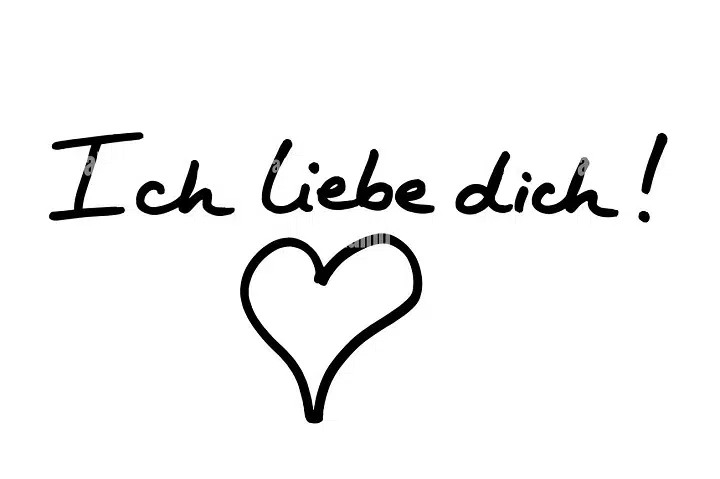
Some words just hit differently. You know? Some feel soft. Some feel warm. And some? They feel super special. “Ich liebe dich” is like that. It’s short. It’s simple. But wow, the feelings run deep. People look up what it means. Why? It sounds pretty. Romantic. Full of heart.
You hear it in movies. Songs too. Text messages. Even love notes. It’s one of those German lines everyone knows. And it brings people together. No matter where they live.
Let’s begin.
What’s Ich Liebe Dich Mean?

“Ich liebe dich” means “I love you” in German.
Simple words. Big feelings.
People say it to their partner. Their true love. It’s not casual. Not something you just throw around. When someone says this? They mean it. Deep down.
Breakdown:
• ich = I
• liebe = love
• dich = you
Put them together? You get pure emotion. Tender stuff.
How’s It Sound?
The phrase has this soft flow. People fall for how it sounds. Even before they know what it means!
Say it:
“ikh lee-buh dikh”
That “ch” sound? It’s light. Not harsh. Not sharp. Feels calm. Gentle. Lots of people say it sounds like poetry.
When Do Germans Say It?
Germans don’t rush this phrase. It packs strong feelings. They save it for the real deal. They use it when:
• they’re in love
• they feel super connected
• they trust deep
• they want to show they care
• things are serious
It’s not like saying “love ya.”
What’s It Really Showed?
When someone says it, they show:
• love
• loyalty
• deep feelings
• care
• respect
• they’re all in
• softness
• trust
It’s the whole package. Not light. Not playful. Very real.
Using It in Romantic Moments
Couples say it during soft, warm times. Like during:
• hugs
• long talks
• quiet nights
• video calls
• saying bye
• special dates
• when feelings pour out
The phrase makes moments bigger. Makes memories stick.
Cute Ways to Say It
Just like English, German has sweet versions too.
Check these out:
• Ich hab dich lieb (softer, like “I care lots”)
• Ich liebe dich so sehr (I love you so much)
Each one adds extra warmth. Nice, right?
Texting Ich Liebe Dich
People text it too. Shows feelings fast.
Like:
• “Good night, ich liebe dich”
• “Ich liebe dich so sehr, please smile”
Add hearts or emojis? Even sweeter:
• ich liebe dich ❤️
• ich liebe dich 🥺❤️
Makes texts feel real. And close.
When NOT to Say It
Don’t say it:
• too soon
• to someone new
• as a joke
• during fights
• just to fix things
• when you don’t mean it
The phrase means a lot. Using it wrong? That can hurt.
In Music and Movies
Lots of songs and films use this line. Why? It sounds pretty. And emotional. You’ll find it in:
• German love movies
• love songs everywhere
• poems
• wedding vows
• Valentine cards
It’s famous worldwide now.
Using It Daily
In daily life, couples use it like “I love you”:
• when leaving home
• saying goodnight
• when they miss each other
• to comfort each other
• after fights end
Works in soft moments. And strong ones too.
How’s It Make People Feel?
People feel:
• loved
• safe
• special
• valued
• close
• emotional
It connects people fast. Even in another language? Still romantic.
Ich Liebe Dich vs Ich Hab Dich Lieb
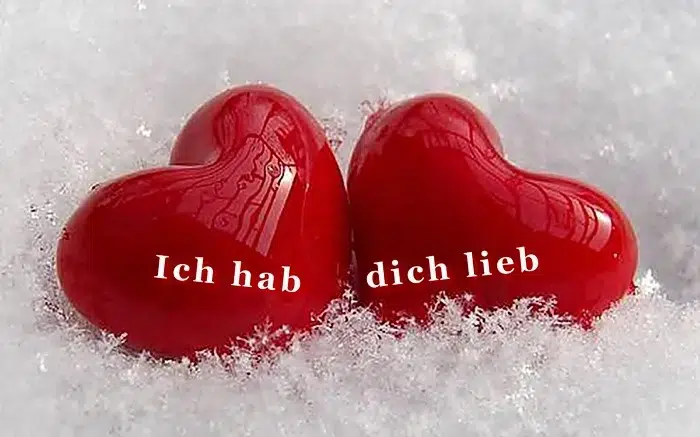
People mix these up. They’re different though.
Ich liebe dich = strong romantic love
Ich hab dich lieb = soft love, warm feelings, family love, close friends
You can say “ich hab dich lieb” sooner. But “ich liebe dich”? That’s serious stuff.
Saying It the First Time
This is huge. People usually pick:
• a quiet spot
• a soft moment
• something meaningful
• a romantic time
• when it’s honest
Say it softly. With real feeling. Makes it special.
Also Read: White Heart Emoji Meaning: What It Shows, Why People Use It, and When You Should Send It
How to Answer Back
If you feel the same:
• Ich liebe dich auch (I love you too)
• Ich liebe dich mehr (I love you more)
• Ich liebe dich so sehr (I love you so much)
Not ready yet? Be gentle:
• Danke, das bedeutet mir viel (Thanks, that means lots to me)
Be honest. Never force it.
Long Distance Love
People far apart use this phrase lots. Keeps the bond strong.
They say it during:
• video calls
• voice notes
• texts
• morning messages
• night messages
• tough days
Reminds both people. Love’s still there.
Why Non-Germans Love It
People everywhere use “ich liebe dich” because:
• it sounds romantic
• it feels soft
• looks pretty written
• feels deep
• feels like poetry
• feels unique
Adds charm to messages. Makes things feel fresh.
On Social Media
You’ll see this phrase on Instagram. TikTok. Facebook. All over. People use it in:
• captions
• comments
• reels
• stories
• couple videos
• pretty posts
Gives posts that dreamy feeling.
Common Mistakes
People mess up by:
• thinking it’s casual
• not knowing it’s heavy
• using it to sound cool
• mixing it with friend phrases
• saying it too soon
Know what it means. Avoid awkward moments!
Making It Extra Special
You can add:
• a reason
• something sweet
• a memory
• a hope
• a soft line
Like this:
“Ich liebe dich, because you make my world calm.”
“Ich liebe dich, and I want to build a life with you.”
Details make it hit harder.
Why It Matters
It’s more than words. It carries:
• honesty
• depth
• commitment
• trust
• pure feeling
Makes love stronger. Makes moments stick. Makes feelings real.
Saying it? Like opening your heart.
“Ich liebe dich” is short. Sweet. Full of feeling. It’s a deep way to say “I love you.” Shows care. Shows connection. Shows trust. German speakers or not? The phrase carries love everywhere.
Use it softly. Use it when you mean it. Use it for something true. Say it with heart? It becomes the prettiest line ever.
And when someone says it to you? You’ll feel the warmth. Every single word.