

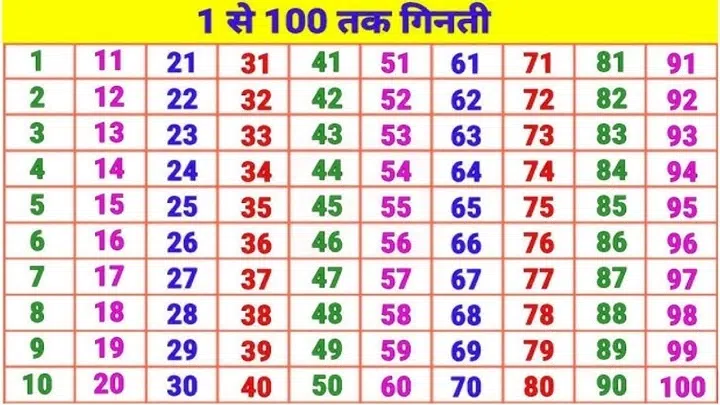
Counting is one of the first things we learn in any language. It helps us talk about numbers, money, time, age, and daily life. Hindi numbers are simple once you get the flow. And one very common search is “1 se lekar 100 tak ginti.” People want a clear list. Something easy. Something they can read, remember, and teach.
Whether you are a student, a parent, or someone learning Hindi from scratch, this guide will help you. The words are simple. The list is clean. And the steps make sense. By the end, you will know the numbers from 1 to 100 in Hindi with ease.
Why Learn 1 Se 100 Tak Ginti
Numbers are everywhere. You need them when you buy something. When you tell your age. When you count steps. When you read time. Knowing Hindi numbers makes daily talk smoother.
Learning 1 to 100 helps you:
• speak better
• count things fast
• understand kids’ homework
• teach someone else
• build strong basics
Simple start. Big help.
How Hindi Counting Works
Hindi numbers are based on patterns. Some numbers repeat sounds. Some combine words. Once you understand 1 to 10, the rest becomes easier.
For example:
• 11 starts with “gyara”
• 21 starts with “ikkees”
• 31 starts with “ikattīs”
Hindi numbers sound rhythmic. That makes them easy to remember.
1 Se 10 Tak Ginti (Basic Foundation)
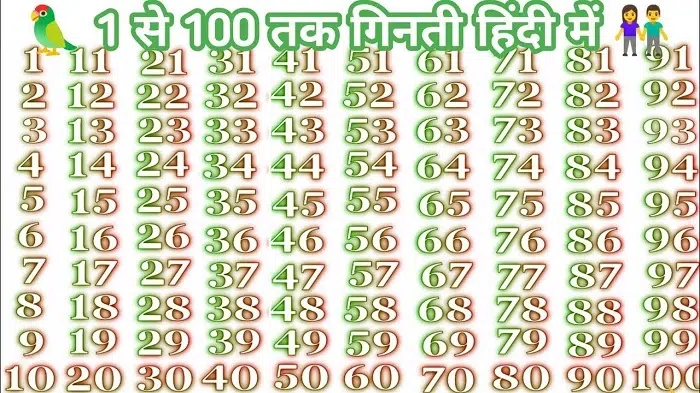
Start with the most important part. These ten numbers help build the full list.
ek
do
teen
chaar
paanch
chhah
saat
aath
nau
das
Learn these first. Say them slowly. They stay the same in all counting.
11 Se 20 Tak Ginti (Teen Numbers)
These numbers sound unique. But once you practice, they feel natural.
gyaarah
baarah
terah
chauudah
pandrah
solah
satrah
atharah
unnīs
bees
These help you understand the pattern for bigger numbers.
21 Se 30 Tak Ginti
Now the numbers start mixing sounds.
ikkees
baees
teees
chaubees
pachchees
chhabbees
sataees
athaees
unhaees
tees
Say these slowly. You will get the rhythm.
31 Se 40 Tak Ginti
These numbers follow a strong sound pattern.
ikattīs
battīs
tettīs
chauntīs
paittīs
chhattīs
saintīs
arthtīs
untālīs
chālees
Practice these with your voice. They flow smoothly.
41 Se 50 Tak Ginti
Now counting becomes familiar.
iktālīs
bayālīs
tretālīs
chiyālīs
paintālīs
chiyātālīs
sainchālīs
arthtālīs
unchaas
pacchaas
Notice how many end with “aalīs.”
51 Se 60 Tak Ginti
A little change in sound starts here.
ikyavan
bavan
tirpan
chauvan
pachpan
chhappan
sattavan
aththavan
unsaath
saath
These are used daily in prices and ages.
61 Se 70 Tak Ginti
More soft patterns here.
iksaath
basaath
treisath
chausaath
pailsaath
chhiyaasath
sarsath
arsath
unhattar
sattar
“Saath” and “sath” sounds repeat often.
71 Se 80 Tak Ginti
These are easy once you know the base.
ikhattar
bahattar
trehattar
chauhattar
pachhattar
chhihattar
sathhattar
athhattar
unyasi
assi
“attar” repeats many times.
81 Se 90 Tak Ginti
You are close to the end now.
ikyasi
bayasi
tiryasi
chaurasi
pachyasi
chhiyaasi
sattasi
athyasi
navasi
nabbe
These are used a lot in Hindi maths.
91 Se 100 Tak Ginti
Final step. Easy finish.
ikyānve
bānve
tiryānve
chaurānve
pachyānve
chhiyānve
sattānve
athānve
navānve
sau
And you are done. Congratulations.
How to Memorize 1 Se 100 Tak Ginti Fast
Here are simple tricks:
Repeat out loud
• Break into groups of 10
• Write them down
• Teach someone else
• Use them in daily talk
• Try counting objects around you
Practice makes it stick.
Where You Use These Numbers in Real Life
Hindi numbers are useful everywhere.
You use them when you:
• buy vegetables
• tell your age
• count money
• check the time
• read scores
• help kids study
• count pages
• do maths
Knowing these numbers makes life simple.
Why Kids Should Learn This Early

Kids learn faster when they hear numbers daily. It helps in:
• school
• maths
• Hindi reading
• speaking skills
• memory building
Simple numbers help build strong learning.
Practice Sentences With Hindi Numbers
Here are easy lines:
Meri umar 20 saal hai
• Mere paas 5 kitaabein hain
• Mujhe 10 minute do
• Yeh 50 rupaye ka hai
• 100 students class me hain
Using numbers in sentences helps you remember them.
Also Read: Flash Symbol Explained: What It Means, Why We Use It, and Where You See It Every Day
Fun Ways to Teach Kids Hindi Numbers
Kids learn best with fun.
Try:
• flashcards
• songs
• videos
• number games
• color counting
• object counting
Make it a game. They learn faster.
Common Mistakes People Make
Be careful of:
• mixing “aath” and “aththavan”
• confusing “ik” and “eke” sounds
• forgetting unique numbers like 89 and 59
• rushing through the list
Slow practice is best.
How This List Helps Beginners
This guide helps because:
• words are simple
• list is clean
• no confusion
• patterns are clear
• easy to memorize
• perfect for Hindi learners
Whether for school or personal use, it works.
Final Full List: 1 Se 100 Tak Ginti Ek Jagah
Here it is again in one clean flow:
1 se 10: ek, do, teen, chaar, paanch, chhah, saat, aath, nau, das
11 se 20: gyaarah, baarah, terah, chaudah, pandrah, solah, satrah, atharah, unnis, bees
21 se 30: ikkees, baees, teees, chaubees, pachchees, chhabbees, sataees, athaees, unhaees, tees
31 se 40: ikattis, battis, tettis, chauntis, paittis, chhattis, saintis, arthtis, untalis, chaalees
41 se 50: iktalis, bayalis, tretalis, chiyalis, paintalis, chiyatalis, sainchalis, arthtalis, unchaas, pacchaas
51 se 60: ikyavan, bavan, tirpan, chauvan, pachpan, chhappan, sattavan, aththavan, unsaath, saath
61 se 70: iksaath, basaath, treisaath, chausaath, pailsaath, chhiyaasath, sarsath, arsath, unhattar, sattar
71 se 80: ikhattar, bahattar, trehattar, chauhattar, pachhattar, chhihattar, sathhattar, athhattar, unyasi, assi
81 se 90: ikyasi, bayasi, tiryasi, chaurasi, pachyasi, chhiyaasi, sattasi, athyasi, navasi, nabbe
91 se 100: ikyānve, bānve, tiryānve, chaurānve, pachyānve, chhiyānve, sattānve, athānve, navānve, sau
“1 se lekar 100 tak ginti” is simple once you understand the flow. Hindi numbers are soft, rhythmic, and easy to remember. Just a little practice, and you can use them in daily life with confidence.